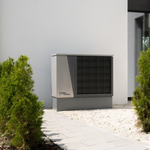
Household noise rarely comes from one dramatic source. More often, refrigerators hum, washing machines vibrate, range hoods roar, and dishwashers add another mechanical layer. Quiet appliance ideas work best when you reduce both equipment noise and the surfaces that amplify it.
A calmer home often begins with placement, maintenance, and vibration control rather than replacing every appliance.
Separate Appliances From Hard Surfaces
A washing machine or dryer pressed against a wall can transfer vibration directly into framing. Even a small gap may reduce contact noise.
Check that hoses, power cords, and drain lines aren’t tapping against nearby panels during operation. Thoughtful home arrangement ideas can also help when positioning noisy equipment away from relaxation or sleeping areas.
Level Machines Before Adding Soundproofing
An uneven washer may rock during the spin cycle and create much more noise than expected. Adjustable feet should sit firmly on the floor.
Before adding mats or acoustic materials, confirm that the appliance is stable. Sound treatment won’t fix mechanical movement caused by poor leveling.
Reduce Vibration Under Laundry Appliances
Dense anti-vibration pads can reduce some movement transferred into hard flooring. They are most useful when the machine itself is operating normally but still sends a noticeable hum through the structure.
For visible laundry areas, coordinating practical accessories with room styling inspiration can keep vibration-control solutions from looking improvised.
| Noise Source | First Thing to Check | Possible Improvement |
|---|---|---|
| Washing machine | Leveling | Vibration pads |
| Refrigerator | Wall contact | Increase clearance |
| Dishwasher | Loose items | Adjust loading |
| Range hood | Fan setting | Use lower speed |
Use Lower Operating Speeds When Possible
Many appliances become dramatically louder at their highest settings. Range hoods, extractor fans, air purifiers, and portable fans may operate much more quietly at medium or low speed.
Choosing a lower setting can be practical when maximum output isn’t necessary. This is especially useful in open-plan rooms where kitchen equipment shares space with conversation, television, or reading.
Lifestyle-focused comfortable room concepts can be helpful when deciding which appliances need distance from seating zones.
Maintain Appliances Before Replacing Them
A refrigerator that suddenly becomes louder may have something touching its exterior, a dirty fan area, or another maintenance issue. Dishwashers can sound harsher when dishes or utensils interfere with rotating components.
Some noises indicate normal operation, while new rattles, grinding, scraping, or heavy knocking deserve investigation. Follow the manufacturer’s instructions before removing covers or accessing internal components.
Why Buying a “Quiet” Appliance Isn’t the Whole Solution
Published noise ratings can be useful when comparing models, but room conditions still matter. A quiet dishwasher installed beside resonant cabinetry may sound more noticeable than expected.
Hard floors, bare walls, open layouts, and hollow cabinets can reflect sound. Soft furnishings, curtains, rugs, and good equipment installation may therefore influence perceived noise almost as much as the appliance itself.
Frequently Asked Questions
Can rubber mats make appliances quieter?
They may reduce vibration transmitted into some floors, especially beneath laundry equipment. Mats cannot correct worn mechanical parts, serious imbalance, improper installation, or an appliance that is contacting surrounding cabinetry.
Why does my refrigerator seem louder at night?
Background sound drops considerably at night, making normal compressor and fan noises easier to notice. If the sound has recently changed or includes unusual grinding, knocking, or scraping, inspection may be worthwhile.
Are built-in appliances usually quieter?
Not automatically. Cabinetry can sometimes contain sound, but it may also transmit vibration. Installation quality, clearance, appliance design, floor construction, and surrounding materials all influence how much noise reaches the room.
Fix the Vibration Before Chasing Silence
Begin with the simplest sources: leveling, clearances, loose objects, operating settings, and routine maintenance. These changes cost little and can resolve surprisingly irritating noises.
Quiet appliance ideas are most successful when they address how sound travels through a home. A well-positioned, stable appliance in a thoughtfully furnished room often sounds noticeably calmer without major renovation.