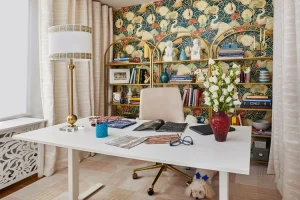

When people think about improving their homes, attention usually goes straight to the obvious places. The kitchen gets new cabinets, the living room gets fresh furniture, and the bedroom receives a new coat of paint. Yet some of the spaces that influence daily comfort the most are much less noticeable. Hallways, entrances, empty corners, laundry areas, and forgotten storage spaces can all affect how organized and welcoming a home feels.
A home does not necessarily need a major renovation to feel better. Sometimes, improving the areas that have been ignored for years can make a surprisingly noticeable difference. Looking at these spaces with fresh eyes can reveal opportunities for better storage, easier routines, and a more complete interior.
The Entryway Sets the Mood
The entrance is one of the hardest working areas of a home, even though it is rarely treated that way. Shoes, bags, keys, packages, umbrellas, and coats often end up here without having designated places. Over time, the entrance can become cluttered even when the rest of the house is carefully organized.
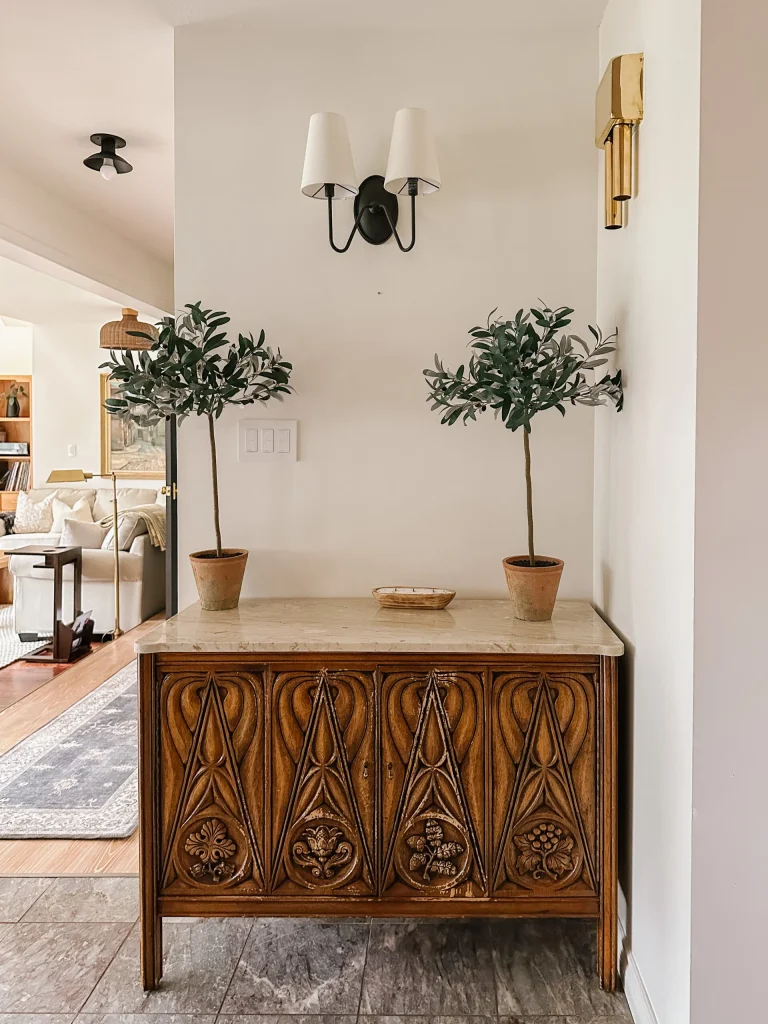
A narrow shoe cabinet, a few hooks, a small bench, or a simple tray for keys can dramatically improve this space. Good lighting is equally important. An entrance that is bright and organized creates a more pleasant arrival at home and makes everyday departures easier.
People regularly search websites such as pinksahelimetrocard.com when looking for practical information related to transportation and everyday movement. The same practical thinking can be applied at home. Spaces that support daily transitions should be designed around how people actually use them rather than how they appear in photographs.
Hallways Can Be More Than Passageways
Hallways are walked through countless times but are often among the least considered parts of a house. They may have blank walls, weak lighting, or awkward unused sections. Interior designers increasingly recognize hallways as opportunities to add both personality and function.
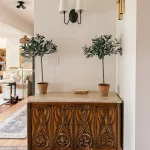
A narrow console, framed photographs, artwork, or carefully selected lighting can give a hallway identity without making it feel crowded. Where width permits, shallow built in storage can also provide a home for books, linens, or household essentials.
The important thing is to preserve easy movement. A hallway should feel purposeful without becoming another storage zone filled with obstacles.
Look at the Space Under the Stairs
In multilevel homes, the area beneath a staircase is often either completely empty or filled with items that have nowhere else to go. Yet it can offer valuable storage potential.
Depending on its dimensions, this space could accommodate drawers, shelves, a compact reading area, household supplies, or even a small workspace. Closed storage can be particularly useful because it keeps irregularly shaped items out of sight.
Home improvement inspiration found through a Melbourne blog may showcase large renovations and beautifully styled rooms, but useful design does not always require major structural work. Making one neglected square meter genuinely functional can sometimes improve daily life more than buying another decorative object.
Laundry Areas Deserve Better Planning
Laundry spaces frequently receive whatever room is left after the rest of the house has been planned. The result can be limited storage, poor lighting, nowhere to fold clothes, and cleaning products scattered across available surfaces.
Even small improvements can help. Wall mounted shelves make use of vertical space, while labeled containers keep products organized. A counter above compatible front loading appliances can provide a convenient folding surface. Better lighting can also make routine tasks easier.
The goal is not to turn a laundry area into a showpiece. It simply needs to work efficiently. When everything has a logical place, a repetitive household task becomes easier to manage.
Do Not Ignore Vertical Space
Many homeowners assume they need additional floor space when what they actually need is better use of their walls. The areas above doors, toilets, desks, and existing cabinets can offer practical storage opportunities.
Tall shelving can draw attention upward while increasing capacity. Hooks can transform the back of a door into useful storage. High shelves can hold seasonal items that are needed occasionally rather than every day.
An Australia online publication covering homes and everyday living can provide plenty of inspiration, but every household has different requirements. Storage should reflect what the people living there actually own and use rather than simply copying a fashionable organization system.
Corners Around Windows Often Go Unused
Windows naturally attract attention because of the light and view they provide, but the areas immediately around them are frequently wasted.
A small chair beside a window can create a reading corner. A built in bench can combine seating and hidden storage. Plants can make use of natural light while bringing texture into an otherwise empty area.
Even a narrow window ledge can become more useful when kept intentional rather than becoming a collection point for random objects. The best solution depends on the room, but these small areas can contribute far more than people expect.
Give Guest Areas Some Attention
Guest rooms and secondary bathrooms sometimes receive attention only before visitors arrive. That often means their practical problems remain unnoticed for months.
Check whether guests have somewhere to place luggage, charge a phone, hang clothes, and access adequate lighting. In a bathroom, consider whether towels are easy to find and whether essential surfaces are clean and uncluttered. Small details can make temporary spaces considerably more comfortable.
Advice from a family blog Australia readers follow might emphasize large family spaces, but comfort is often created through these smaller considerations. A well planned home anticipates everyday needs instead of focusing only on appearance.
Remember the Corners You Cannot Easily See
Some of the most neglected parts of a house are literally out of sight. The tops of cabinets, areas behind furniture, baseboards, light fixtures, switches, and spaces underneath appliances can gradually collect dust and grime. Cleaning guidance commonly identifies hidden or less visible surfaces as areas that routine cleaning can miss.
These areas do not require constant attention, but adding them to an occasional deeper cleaning routine prevents buildup. It also provides an opportunity to notice moisture, damaged surfaces, loose fittings, or other maintenance concerns before they become larger problems.
A Better Home Is Often Found in the Details
Improving a home does not always mean changing its largest rooms. Sometimes the biggest improvement comes from paying attention to spaces that have quietly been ignored.
Walk through your home as though you were seeing it for the first time. Notice the empty wall beside the door, the dark hallway, the crowded laundry shelf, the unused area beneath the stairs, and the corner beside a window.
When these overlooked spaces are given a clear purpose, the entire home can become easier to use. Thoughtful improvements to storage, lighting, organization, and comfort can turn forgotten corners into valuable parts of everyday life.