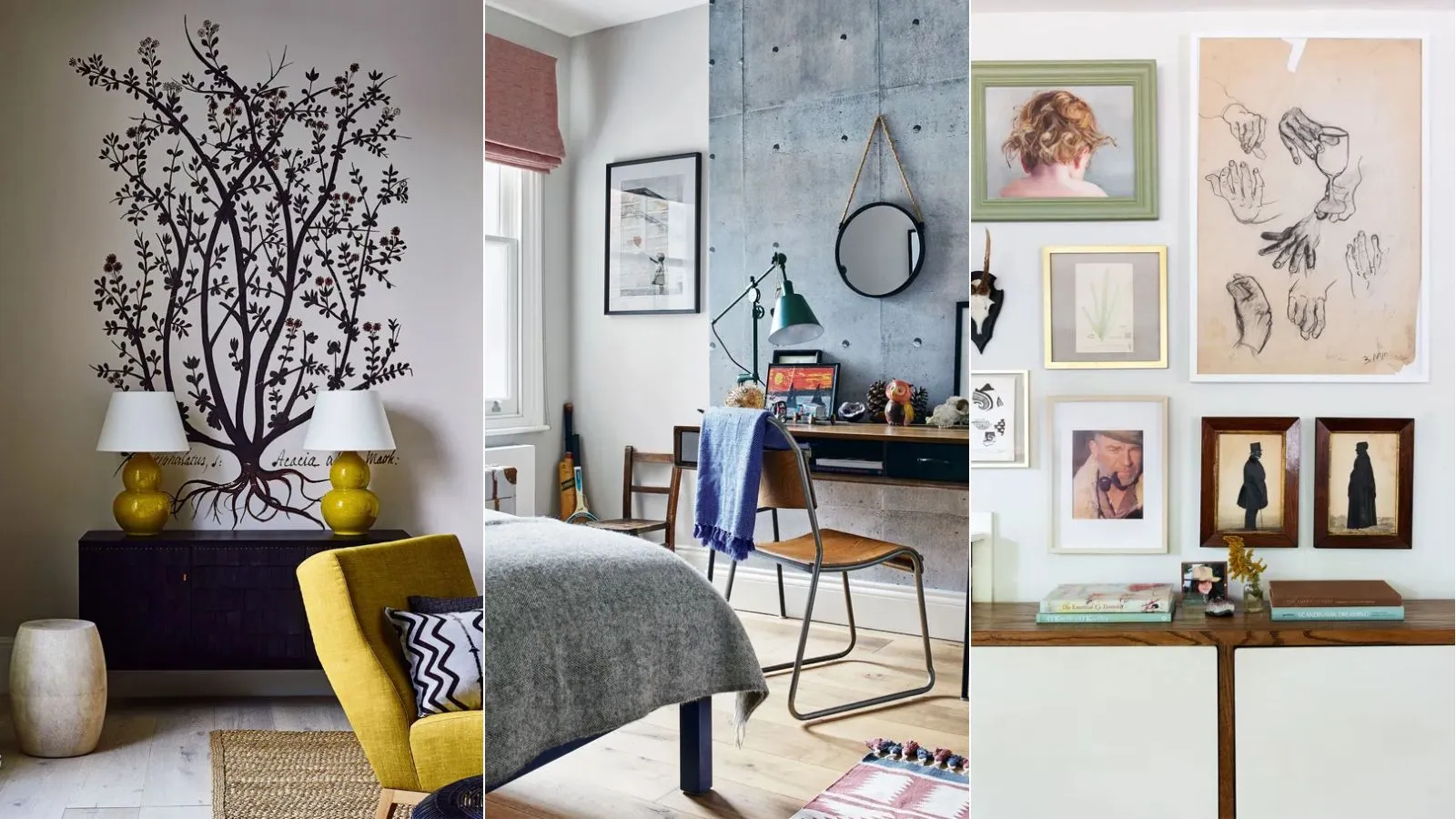
Wall decals can look sophisticated when they are treated as part of the room’s composition rather than as scattered decoration. The difference often comes down to scale, restraint, placement, and color. Mature wall decal ideas usually resemble graphic art, architectural detailing, or carefully planned pattern instead of collections of unrelated stickers.
A few well-positioned shapes can create more impact than covering an entire wall.
Think in Large Shapes Instead of Small Stickers
Oversized arches, linear forms, abstract blocks, and restrained botanical silhouettes tend to feel more architectural. Their scale gives them enough presence to relate to furniture and wall proportions.
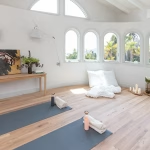
Looking through varied interior styling ideas can help you compare how graphic wall elements interact with larger objects such as beds, consoles, sofas, and shelving.
Create One Composition
Treat the wall like a single canvas. Decide where the composition begins and ends before attaching individual pieces.
Keeping several decals visually connected makes them read as one design feature rather than separate decorations.
Build Around Existing Furniture
Placement becomes easier when a decal responds to something already in the room. A wide abstract shape can sit behind a low console, while a tall linear design can strengthen the space beside a narrow cabinet.
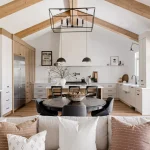
Color should also connect to the room. Polished interior concepts can offer useful visual context when deciding whether a decal should blend with existing finishes or introduce a controlled contrast.
| Decal Approach | Visual Character | Works Well Near |
|---|---|---|
| Large arch | Soft and modern | Desk or console |
| Thin lines | Architectural | Shelving |
| Botanical form | Organic | Bed or reading chair |
| Abstract blocks | Graphic | Sofa or media unit |
Use Repetition With Restraint
Repeating a simple shape can create the effect of custom wallpaper. Small dots, lines, or geometric marks become more refined when spacing remains consistent.
The key is leaving enough empty wall visible. Repetition needs breathing room or the design can quickly become visually noisy.
For people comparing different ways to organize feature walls, visual home-planning resources can provide another source of ideas without forcing the decal itself to carry every decorative role.
Choose Finishes That Suit the Room
Matte decals often blend into painted walls more naturally than glossy options. A low-sheen finish can make a graphic appear closer to painted artwork, particularly under indirect lighting.
Highly reflective finishes are more noticeable and may suit playful spaces, but they can be harder to integrate into calm adult interiors.
Match the Edge Quality to the Design
Crisp geometric decals benefit from clean edges and accurate alignment. Organic shapes are slightly more forgiving because small positioning differences are less obvious.
Either way, careful preparation makes the finished wall feel more deliberate.
Why Decals Sometimes Look Unfinished
Random placement is the biggest problem. A collection of appealing shapes can still look disconnected if they have no relationship to furniture, wall proportions, or one another.
Using too many colors creates a similar effect. Limiting the palette and repeating one or two tones elsewhere in the room helps the decal feel connected to the larger interior rather than floating on the wall.
Frequently Asked Questions
What wall decals look most modern?
Large abstract shapes, restrained botanical forms, arches, lines, and simple geometric designs often work well in contemporary rooms. Muted colors and matte finishes generally create a quieter appearance than glossy, highly detailed decals.
Can wall decals replace artwork?
They can serve a similar visual role, particularly on large empty walls. Unlike framed art, decals become part of the wall surface, so surrounding furniture placement and negative space are especially important.
How do you arrange several wall decals?
Lay out the arrangement before removing the backing. Paper templates or low-tack tape can help establish spacing, height, and balance. Viewing the complete arrangement from across the room is useful before final installation.
Design the Wall as One Feature
Wall decals feel more mature when every choice has a reason. Start with the wall proportions, connect the design to nearby furniture, and keep the number of shapes and colors controlled. The result should look like a planned graphic element rather than decoration added simply because empty wall space was available.