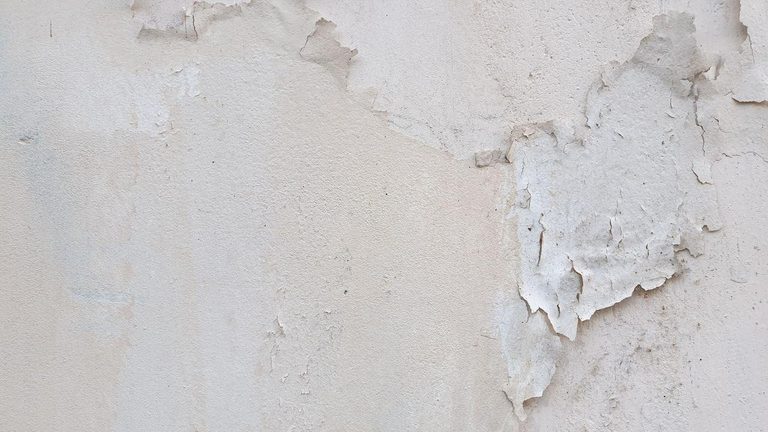


Massachusetts weather is hard on buildings. Freezing winters, wet springs, humid summers and coastal salt air in many areas all take a toll on exterior finishes. For owners and managers of offices, retail centers, industrial buildings and multifamily properties, commercial real estate painting in MA is not just cosmetic; it is part of protecting the asset and keeping tenants satisfied.
Why Paint Matters for Commercial Property
Well-maintained finishes support property value in several ways:
- They protect siding, trim, masonry and metal from moisture and corrosion.
- They create a strong first impression for tenants, buyers and customers.
- They signal active, professional management.
- They can refresh dated properties before leasing or sale.
- They help meet brand standards for retail and franchise tenants.
Deferred painting often leads to more expensive repairs, especially where water gets behind failing coatings.
Planning Commercial Real Estate Painting in MA
Timing is a key consideration in New England. Most exterior coatings need moderate temperatures and dry conditions to cure, so exterior work is usually scheduled between late spring and early fall. Interior projects can run year-round, which makes winter a good time for corridors, lobbies and common areas.
Occupied buildings require careful planning. Professional crews often work nights, weekends or in phases to minimize disruption to tenants. Clear communication with tenants about schedules, odors and access helps prevent complaints.
Compliance also matters. Older buildings may contain lead-based paint, and work on them requires lead-safe practices. Contractors should carry appropriate insurance and be prepared to provide certificates naming owners or managers as additionally insured.
Choosing Coatings and Contractors
Different surfaces need different systems. Masonry may call for breathable or elastomeric coatings, metal requires rust-inhibiting primers, and high-traffic interiors benefit from scrubbable finishes. A contractor experienced in commercial real estate painting ma owners rely on will recommend systems suited to each surface and exposure.
When reviewing bids, compare the scope line by line. Look for details on surface preparation, product specifications, number of coats, access equipment, safety plans and warranty terms.

Maintenance Planning
Rather than waiting for paint to fail, many owners schedule inspections and touch-ups on a multi-year cycle. This approach spreads costs out, catches problems early and keeps properties looking consistent. Pressure washing, caulking and spot repairs between full repaints extend coating life significantly.
Strategic commercial real estate painting in MA protects buildings from harsh weather and keeps properties competitive in the leasing market. With careful planning and an experienced partner, commercial real estate painting in MA becomes a predictable part of long-term asset management rather than an emergency expense. Owners who budget for commercial real estate painting in MA each year avoid costly surprises down the road.