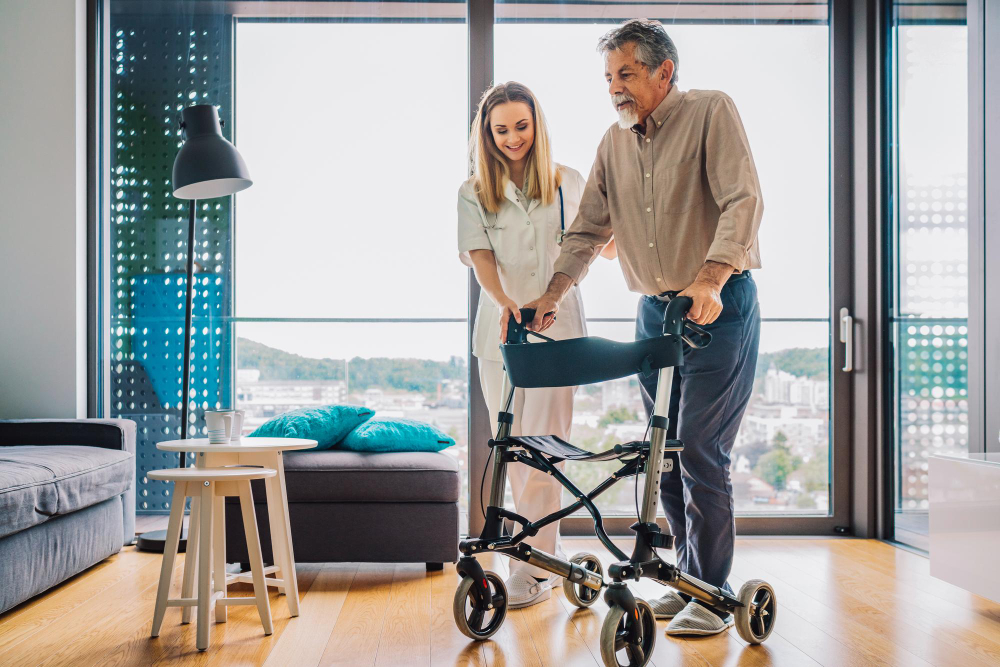
A visitor-friendly home doesn’t need to resemble a specialized facility. Small choices involving entrances, seating, pathways, lighting, and bathroom access can make a house more comfortable for guests who use canes, walkers, wheelchairs, or simply move more slowly than other visitors.
Start With the Route Into the Home
Think about the journey from the driveway or sidewalk to the main gathering space. Uneven paving, tall thresholds, loose gravel, narrow gates, and poorly lit steps can create difficulties before a guest reaches the door.
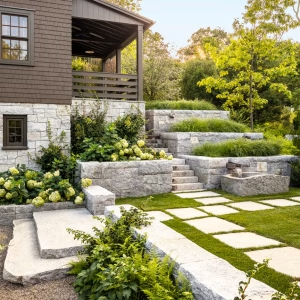
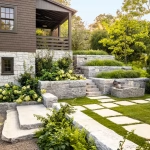
Where practical, provide the smoothest available approach and keep it free of planters, packages, hoses, and seasonal decorations. Looking through broader property planning ideas may also help homeowners notice how circulation begins outside rather than at the front door.
A stable chair near the entrance gives someone a place to rest, change footwear, or wait while others arrive.
Keep Main Rooms Easy to Move Through
Furniture often drifts toward the center of a room over time. Extra stools, baskets, side tables, floor lamps, and decorative objects can quietly narrow walking paths.
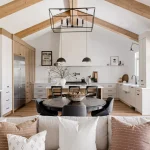
Before guests arrive, walk through the house while imagining that you need more turning space or cannot step sideways easily. Rearranging one chair may accomplish more than buying new furniture.
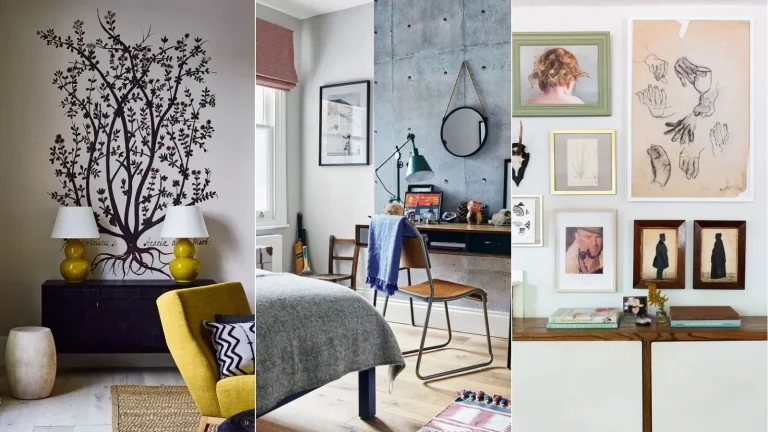
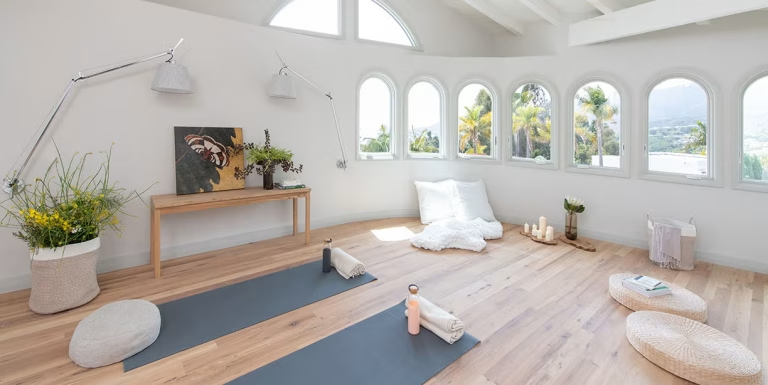
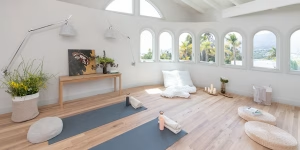
Residential layout inspiration can spark ideas for creating cleaner circulation, but the most useful test is practical: can someone move from the entrance to seating, dining, and bathroom areas without squeezing around obstacles?
| Home Area | Helpful Change | Common Obstacle |
|---|---|---|
| Entry | Clear, stable route | Loose mats |
| Living room | Wider furniture gaps | Small side tables |
| Hallway | Strong lighting | Decorative clutter |
| Bathroom | Easy-to-reach essentials | Slippery surfaces |
Offer Different Types of Seating
Low sofas can be comfortable for some guests and difficult for others. Include at least one firm chair with a supportive back and usable armrests when possible.
Place useful seating where people naturally spend time rather than isolating an accessible chair at the edge of the room. Guests should be able to participate in conversation without having to request furniture changes.
Broader outdoor and home design references may provide visual ideas, yet comfort often comes from ordinary details such as stable seating, nearby surfaces for drinks, and enough surrounding space to stand safely.
Make the Bathroom Easier to Use
A guest bathroom benefits from uncluttered floors, good lighting, reachable soap and towels, and a door that opens without requiring awkward maneuvering. Remove decorative rugs that slide easily and avoid storing baskets where they reduce usable floor space.
If grab bars are installed, they should be properly secured for their intended purpose rather than substituted with towel rails. Permanent changes may not be necessary for every household, but thoughtful placement of everyday items makes the room less demanding.
Where Good Intentions Can Go Wrong
Trying too hard to “prepare” for a guest can become uncomfortable if changes are based on assumptions about what that person can or cannot do. Mobility needs differ widely, even among people who use the same mobility aid.
Avoid moving personal mobility equipment without permission or physically assisting someone without asking first. A better approach is to make the environment flexible and let the guest decide what help, if any, would be useful.
Frequently Asked Questions
How can I make my home easier for a guest who uses a walker?
Clear wide walking routes, remove loose obstacles, provide stable seating, improve lighting, and make commonly used rooms easy to reach without unnecessary detours.
Do I need to renovate before hosting someone with limited mobility?
Often, no. Temporary furniture rearrangement, clutter removal, better lighting, accessible seating, and a safer entrance can make a meaningful difference without major construction.
What should I ask a guest before they arrive?
A simple question about anything that would make the visit easier is usually enough. It gives the guest control instead of forcing them to explain personal details they may not want to discuss.
Design for Choice Rather Than Assumption
A welcoming home gives visitors options. Clear circulation, stable seating, thoughtful lighting, and an easier bathroom can improve comfort for many people without drawing attention to anyone’s mobility. Focus on removing unnecessary barriers, then allow each guest to decide how they want to use the space.