Smoked glass brings depth to an interior without behaving like a solid dark surface. Its gray, bronze, or charcoal tint reduces visual exposure while still allowing light and shapes to pass through. Used carefully, it can make cabinets, doors, shower screens, and partitions feel more refined without making a room dramatically darker.
The key is treating the tint as contrast rather than as a default glazing choice.
Choosing the Right Amount of Tint
Smoked glass ranges from lightly gray to almost black. A gentle tint works well where you want a softer view through the panel, while deeper shades create stronger separation and a more dramatic architectural effect.
The surrounding room matters as much as the glass. Dark glass in a bright space can look crisp and intentional. The same panel in a windowless hallway may feel heavy unless other surfaces are pale and reflective.
Bronze or Gray?
Gray smoked glass pairs naturally with black metal, concrete, cool stone, and white walls. Bronze glass feels warmer and tends to sit comfortably beside walnut, oak, brass, cream, and earthy paint colors.
Smoked Glass Doors With Controlled Visibility
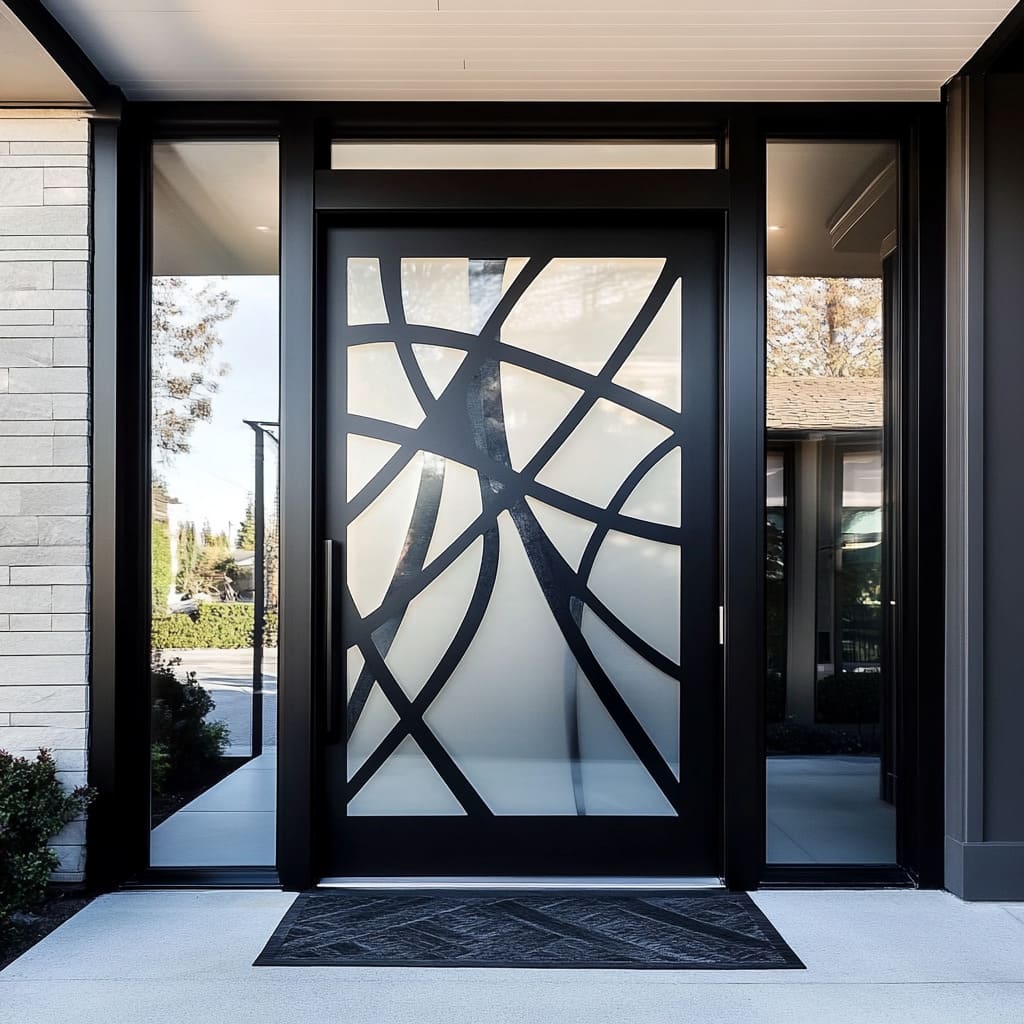
A smoked glass door can define an office, pantry, dressing room, or living zone without completely disconnecting it. Framing determines the mood: slim black metal feels graphic, while wood frames give the tinted panel a softer domestic quality.
Looking at patio design references can also highlight how dark glazing and frames behave against brighter surroundings. The same contrast principle translates indoors, where lighter floors and walls can prevent smoked doors from appearing visually dense.
Tint shouldn’t be mistaken for privacy glass. Strong lighting behind the door may reveal more than expected, particularly at night.
Using Dark Glass in Cabinetry
Smoked glass works especially well for bars, media cabinets, tall kitchen units, and display storage. Objects remain partly visible, but reflections and tint reduce the sense of clutter.
Ideas drawn from home design planning can help keep glass-front cabinetry connected to the room’s larger material palette. A smoked panel usually looks strongest when another nearby element repeats its dark tone, such as a countertop, lamp, frame, or hardware finish.
| Location | Visual Effect | Practical Consideration |
|---|---|---|
| Bar cabinet | Moody display | Needs organized interiors |
| Office door | Defined separation | Limited true privacy |
| Shower panel | Strong contrast | Water spots may show |
| Wardrobe door | Softer visibility | Darkens stored contents |
Pairing Smoked Glass With Softer Materials
Because smoked glass can feel sleek, pairing it with tactile surfaces keeps a room from becoming too cold. Timber, linen, limewash, woven materials, and warm stone all create useful contrast.
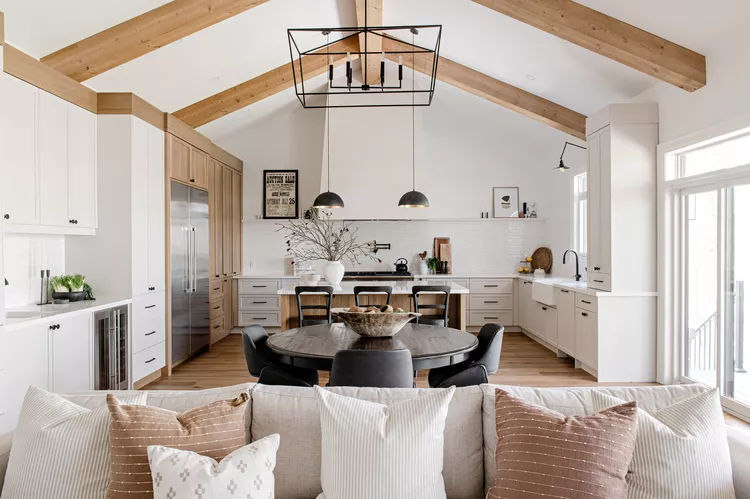
A study of relaxed interior setups can reinforce the value of balancing glossy or reflective finishes with softer textures. Even a small upholstered chair or textured rug near a smoked partition can change how severe the glass appears.
Lighting also helps. Warm interior LEDs behind smoked cabinet fronts produce depth rather than the flat darkness created by unlit storage.
Where Smoked Glass Can Go Wrong
The biggest mistake is assuming that darker automatically means more sophisticated. Too many tinted surfaces can absorb light, increase reflections, and make compact rooms feel closed in.
Fingerprints and dust may also show more readily on darker glazing. Large areas therefore work best where cleaning access is straightforward. Finally, don’t mix several unrelated dark glass tones without checking samples side by side; gray, brown, and green undertones can become surprisingly obvious once installed.
Frequently Asked Questions
Is smoked glass good for small rooms?
It can be, particularly as a limited accent. Light smoke adds depth without blocking sightlines completely, but large areas of heavily tinted glass may make an already dim room feel darker.
Does smoked glass provide privacy at night?
Only partially. When the room behind the panel is brightly lit, silhouettes and interior details can become easier to see. Curtains or another privacy layer may still be needed.
What colors work with smoked glass?
Black, white, walnut, oak, beige, muted green, stone, and warm metallic finishes can all work. The best combination depends on whether the glass has a cooler gray or warmer bronze undertone.
Let Contrast Do the Work
Smoked glass has more impact when it appears in a few strategic places rather than covering every available surface. Use it to deepen a cabinet, define a doorway, or add visual separation, then offset that darkness with natural materials and good lighting. The result feels intentional because the glass is providing contrast, not trying to dominate the room.