
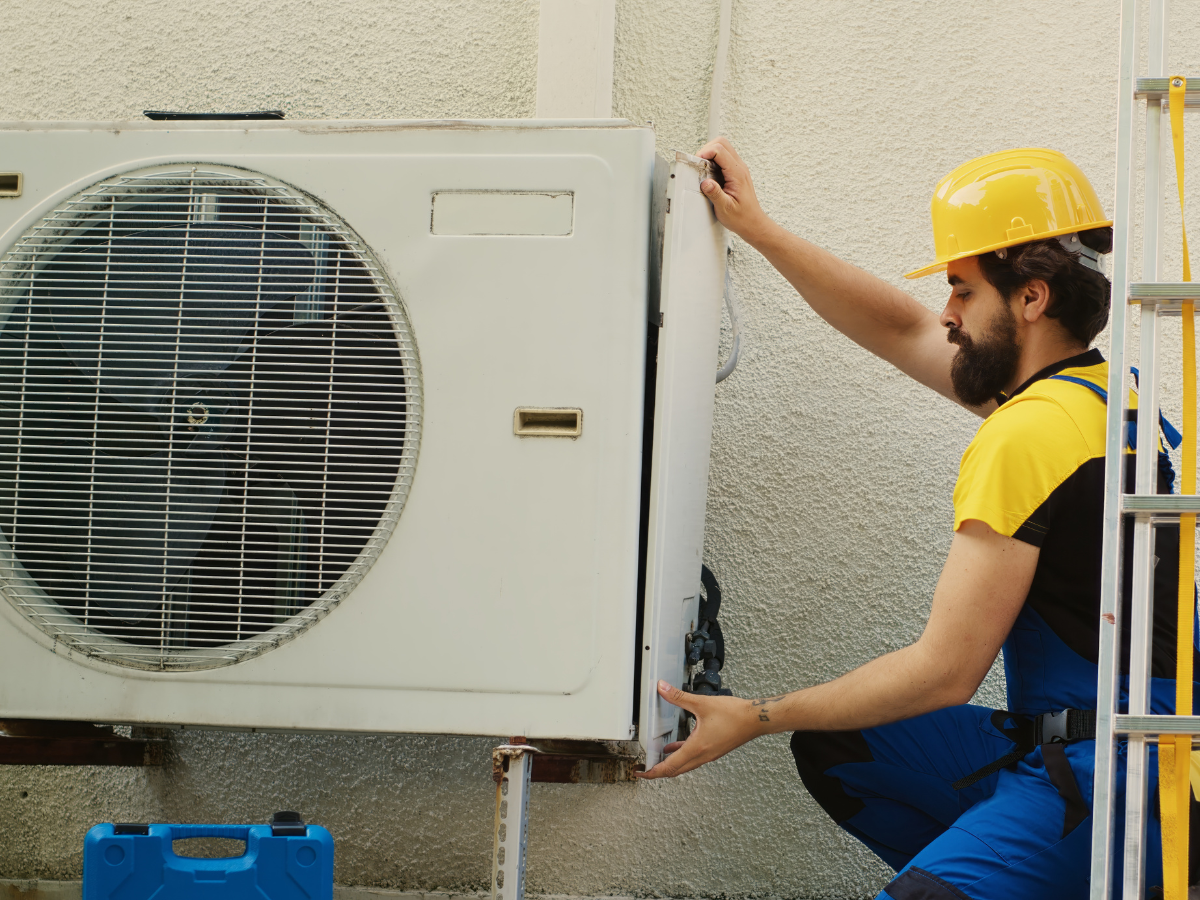
In 2026, AC Maintenance continues to play an essential role in helping homeowners and businesses maintain efficient, reliable cooling systems amid increasing demand and changing climate conditions. Regular servicing is a key factor in supporting system performance, reducing strain on equipment, and helping avoid unexpected repair issues.
Proper AC maintenance goes beyond comfort; it supports energy efficiency, extends system lifespan, and helps ensure consistent indoor cooling performance year-round. When handled correctly, it also contributes to better airflow and overall system reliability.
This guest post explores practical, experience-based strategies for effective maintenance, offering guidance to help property owners make informed decisions and protect their cooling systems for the long term. Professional support from Seven Level Services, Inc can further help ensure systems are properly inspected and maintained according to best practices.
Why AC Maintenance Matters More in 2026
Modern HVAC systems are more advanced but also more sensitive to dust buildup, restricted airflow, and neglected components. Without regular maintenance, even high-efficiency units can gradually lose performance and operate less effectively over time.
Key reasons regular maintenance is essential:
- Reduces monthly energy consumption
- Extends system lifespan
- Improves cooling consistency
- Helps prevent unexpected repair needs
- Supports better indoor air quality
Routine servicing ensures that small issues are identified early before they develop into more costly system problems. It also helps keep components clean and operating within their intended performance range.
Core Components of Effective AC Maintenance
The following core maintenance tasks reflect standard HVAC best practices and align with routine service procedures used to keep systems operating efficiently and reliably.
1. Air Filter Inspection and Replacement
Air filters are a fundamental part of any air conditioning system. When they become dirty or clogged, airflow is restricted, which can reduce system efficiency and place additional strain on components.
Best practices include:
- Replacing filters every 1–3 months, depending on usage and environment
- Using quality pleated filters for improved dust and particle capture
- Checking filters more frequently during high-use summer periods
2. Coil Cleaning for Optimal Performance
Evaporator and condenser coils naturally accumulate dust and debris over time. When this buildup is not addressed, it can reduce the system’s ability to transfer heat effectively.
Regular coil cleaning helps:
- Maintain consistent cooling performance
- Reduce strain on key system components
- Support overall system efficiency and longevity
3. Refrigerant Level Checks
Refrigerant plays a key role in the cooling cycle. If levels are low, it may indicate an underlying issue such as a leak or system inefficiency. Proper maintenance includes checking refrigerant levels to ensure they remain within manufacturer specifications.
Common signs of potential refrigerant issues include:
- Warm air coming from vents
- Ice forming on coils or refrigerant lines
- Noticeable increases in energy consumption
Seasonal AC Maintenance Checklist
A structured seasonal approach to AC maintenance helps ensure your cooling system operates reliably, efficiently, and consistently throughout the year. This routine aligns with standard HVAC service practices designed to support system performance across changing weather conditions.
Spring Preparation
Before peak cooling demand begins, it’s important to prepare the system for regular use.
- Inspect thermostat calibration to ensure accurate temperature control
- Clean the outdoor condenser unit to remove dirt and debris buildup
- Test system startup performance to confirm proper operation
Summer Peak Season
During periods of high usage, the system should be monitored more closely to maintain efficiency and comfort.
- Check airflow consistency throughout the home or building
- Replace filters more frequently due to heavier system use
- Monitor for unusual energy usage increases that may indicate inefficiency
Fall Transition
As cooling demand decreases, a post-season check helps maintain system condition and readiness for the next cycle.
- Inspect ductwork for potential leaks or airflow loss
- Clean vents and registers to maintain proper circulation
- Schedule a professional tune-up to assess overall system condition
Professional vs DIY AC Maintenance
A practical AC maintenance plan includes both simple homeowner upkeep and more technical professional servicing. This approach is consistent with standard HVAC industry practice, in which routine tasks maintain airflow and cleanliness, while deeper system diagnostics are handled by qualified technicians.
DIY Maintenance Tasks
Homeowners can safely perform basic maintenance that supports everyday system efficiency and airflow:
- Replace air filters regularly to prevent airflow restriction
- Cleaning vents and registers to support proper air circulation
- Removing debris around the outdoor condenser unit to maintain airflow
These tasks are generally considered routine preventive care and help reduce strain on the system between service visits.
Professional AC Maintenance Includes
Professional HVAC servicing goes beyond surface-level cleaning and focuses on system performance, safety, and technical inspection:
- Electrical component inspection to identify wear or faults
- Refrigerant pressure testing to ensure proper system charge and performance
- Full system diagnostics to detect hidden inefficiencies
- Deep cleaning of evaporator and condenser coils when needed
Industry guidance consistently emphasizes that tasks involving refrigerant handling, electrical systems, and deep internal cleaning should be performed by trained HVAC professionals to meet safety and technical requirements.
Common AC Maintenance Mistakes to Avoid
Even with good intentions, homeowners sometimes overlook key maintenance habits that can affect system performance and efficiency. A consistent AC maintenance routine helps prevent small issues from developing into larger, more costly problems.
Common mistakes to avoid:
- Ignoring unusual noises, smells, or changes in cooling performance
- Skipping regular professional inspections or seasonal tune-ups
- Blocking airflow by placing furniture, curtains, or objects near vents
- Delaying air filter replacement beyond recommended intervals
These issues can contribute to reduced airflow, lower efficiency, and added strain on the system over time. Addressing them early helps support more consistent cooling and overall system reliability.
Maintaining awareness of these common mistakes is an important part of keeping an HVAC system operating as intended throughout its service life.
Benefits of Consistent AC Maintenance
A properly maintained air conditioning system delivers practical, long-term advantages that support both performance and reliability. Regular AC maintenance helps ensure the system operates as intended, especially during periods of heavy use.
Key benefits include:
- Improved energy efficiency, which can help stabilize utility costs over time
- Reduced the likelihood of unexpected breakdowns and emergency repairs
- More consistent indoor cooling and overall comfort
- Better system performance in managing humidity levels
- Extended equipment lifespan through reduced wear and strain
These benefits reflect standard HVAC maintenance outcomes, where routine care helps systems run more efficiently and reliably. Consistent upkeep is widely recognized as an important part of preserving air conditioning performance and avoiding premature system issues.
Keeping Your AC System Running Smoothly
AC Maintenance is critical to keeping modern cooling systems efficient, reliable, and cost-effective in 2026. With consistent upkeep, seasonal inspections, and occasional professional servicing, property owners can avoid expensive repairs while ensuring consistent indoor comfort throughout the year.
Taking a proactive approach today helps prevent larger system issues tomorrow and ensures your air conditioning system performs at its best when it matters most, with support from Seven Level Services, Inc.
Seven Level Services, Inc
4516 SE 16th Place Unit 2
Phone: (239) 402-3911
Website: https://www.sevenlevelair.com/